Tempted by snacks before bed? Here's why - and what you can do about it 18 minutes ago Nick Triggle Health correspondent Getty Images You've eaten dinner, you're comfortably full, and yet half an hour later you're raiding the kitchen cupboards. Sound familiar?
So, why are evening cravings so common? And what can you do to keep them in check? Appetite peaks in the evening Despite the fact we spend longer going without food when we are sleeping, research suggests our appetite naturally peaks in the evening, almost regardless of how much we have eaten earlier in the day.
Prof James Betts, who researches how the body handles food and energy at the University of Bath, says a big factor is that our "hunger hormone" ghrelin is generally higher later in the day. "While it tends to be suppressed by meals, that really only happens after the first meal of the day, not after lunch or dinner." But what you eat also matters. Meals rich in protein, fibre and volume tend to keep us satisfied for longer.
Betts says not having a nutritious or satiating evening meal can lead to a "crash" later, which sees people snack. For others, the fear of waking up hungry during the night is also a motivating factor, while habit plays a role too. "If snacking often happens in the same setting, the surrounding cues can start to trigger cravings," says Prof Suzanne Higgs, an expert in appetite at the University of Birmingham.
"For example, if someone usually snacks while watching TV, simply turning the TV on may make them feel like eating." Why sweet treats are so tempting It's not just feelings of hunger that increase later in the day. Research suggests our appetite for calorie-dense foods also becomes stronger, driven by the brain's reward system rather than a genuine need for energy. "Our liking and wanting for high-fat foods are greater later in the day compared to low-fat foods," says Beaulieu, who splits her time between the University of Leeds and University of Moncton in Canada.
"That hedonic drive can override signals of fullness, making us want to snack or eat a dessert even though we're full." Even after a substantial evening meal, foods rich in sugar, fat or salt can continue to activate reward pathways in the brain, helping explain why many people find themselves reaching for something more. So when you find yourself standing in front of the biscuit tin at 9pm, it may not be a lack of willpower. Your biology is stacked against you.
Does snacking make it harder to sleep? The evidence is mixed. But certainly eating a large meal late affects digestion and the body's normal preparation for sleep.
What about snacking? Here the research becomes less clear. There is some evidence that foods high in refined carbohydrates and added sugars, from white bread and white rice to biscuits and cakes, may be linked to poorer sleep.
Researchers think this could be because such foods cause bigger swings in blood sugar levels and may alter some of the hormonal signals involved in regulating sleep and appetite. However, teasing out cause and effect is difficult. People with poor sleep may be more likely to snack on sugary foods.
"Sleep deprivation is known to not only increase appetite, but also a desire for energy-dense foods," says Prof Jonathan Johnston, a sleep and body clock expert at the University of Surrey. It means it is very difficult to draw firm conclusions on whether snacking in late evening disrupts sleep, says Betts. "The evidence is far from clear and perhaps may reflect that some people respond differently to others to different foods before bed." How to snack in a healthier way First, work out what's driving the snacking.
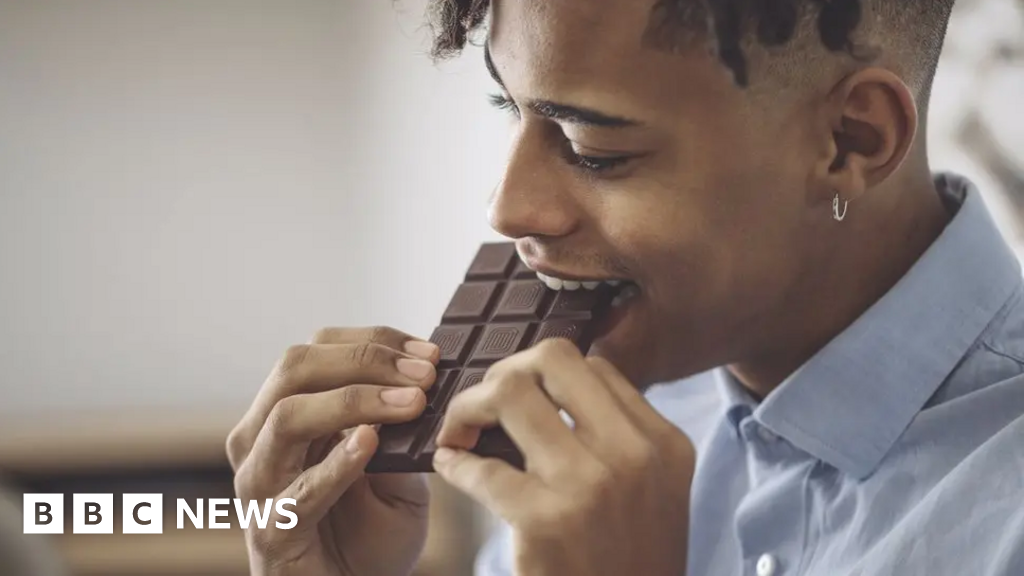
If you are genuinely hungry, it may help to make earlier meals more filling If snacking is mainly habitual, changing routines and planning snacks in advance can help "Eating while distracted, for instance watching TV, can lead people to consume more because they pay less attention to how much they've eaten," says Higgs. But there's no need to ban evening snacks completely, says Beaulieu. A reasonable portion of something enjoyable is often more sustainable Keep healthy options, such as fruit, yoghurt and nuts available Even a little chocolate every now and then is not the end of the world "It's OK to eat those craved foods once in a while in moderation." The trick, she says, is to make the healthy choice the default.
"If those craved foods aren't in the cupboard on a regular basis and a healthy option is, it means you are more likely to choose the healthier option."
Source: BBC